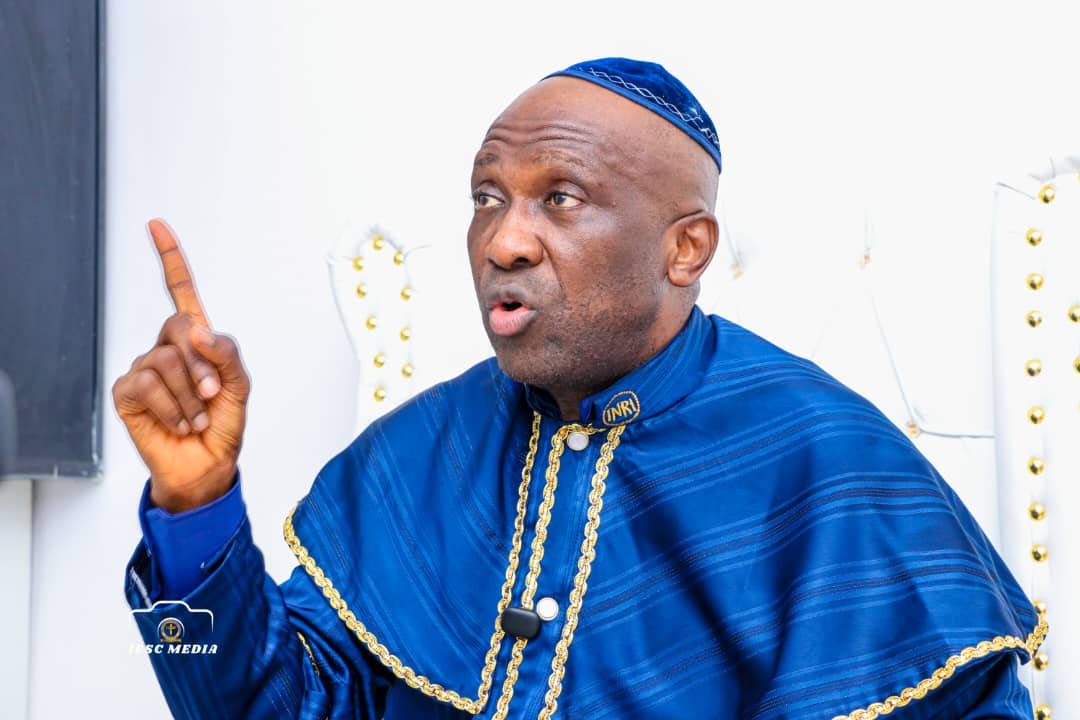
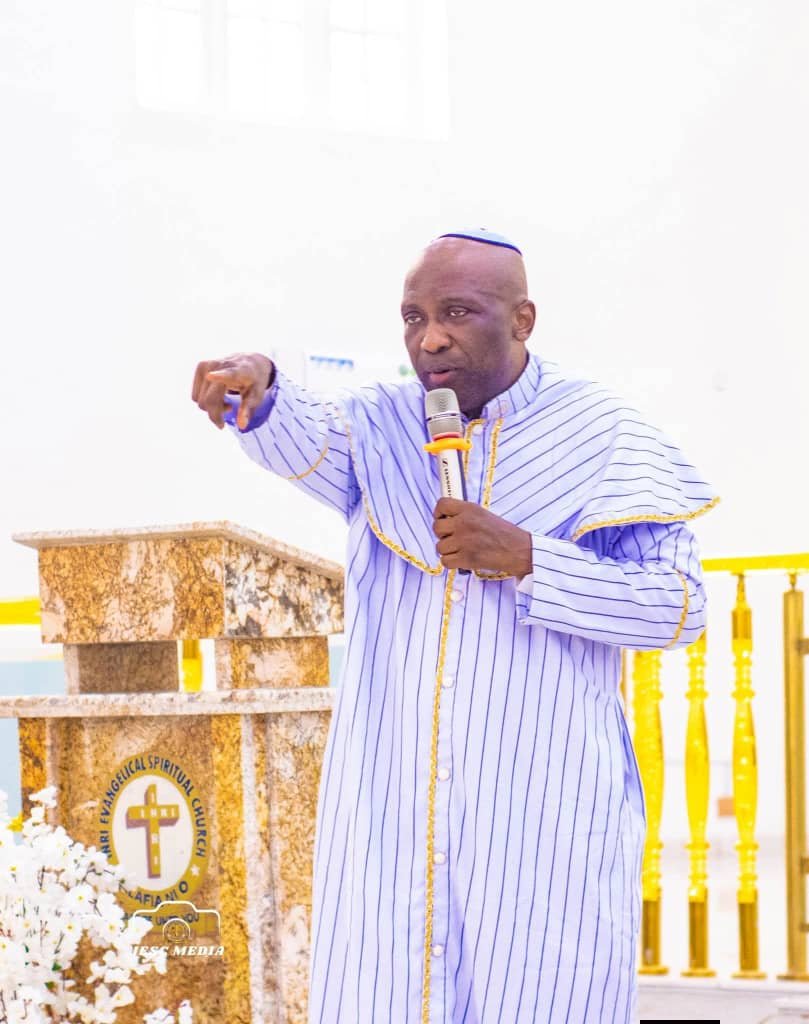

Renowned Nigerian cleric and spiritual leader, Primate Elijah Ayodele, has issued a fresh prophetic warning that could have far-reaching implications for Nigeria’s political landscape, particularly for President Bola Ahmed Tinubu and his administration.
According to the outspoken prophet, a quiet but potentially dangerous political undercurrent is forming in the North-Central region, driven by growing dissatisfaction among traditional rulers, especially emirs, toward the current government.
“The emirs are not happy with Tinubu. They will hold meetings, and if Tinubu is not careful, they may instigate their people not to vote for him,” Ayodele warned.
Though brief, the statement carries significant political weight, especially given the historical influence of traditional institutions in Nigeria’s power dynamics.
Primate Ayodele specifically pointed to the North-Central geopolitical zone, which comprises Kwara, Kogi, Niger, Benue, Nasarawa, Plateau, and the Federal Capital Territory (FCT). The region has long been regarded as Nigeria’s political swing zone, often determining the outcome of closely contested elections.
According to the cleric, discontent among traditional rulers in the region has not yet manifested publicly, but private meetings and strategic consultations are already taking place behind closed doors. He cautioned that these discussions could eventually evolve into coordinated political action against the Tinubu presidency.
While emirs and traditional rulers do not participate directly in elections, their influence over public opinion and voter behaviour remains enormous. A subtle withdrawal of support or silent disapproval from such leaders could significantly affect electoral outcomes.
One of the most striking elements of Primate Ayodele’s message is his warning about timing. According to him, Nigerians have not yet seen the real political storm.
“The political crisis of 2026 has not started. It is a gradual process. By March, you will see where the pendulum is swinging,” he said.
This, he explained, suggests that the unfolding political tension will not begin with protests or dramatic confrontations but through quiet realignments, shifting loyalties, and strategic distancing by influential power brokers.
In Nigeria’s political culture, elections are often decided months or even years before voters go to the polls. Once critical alliances begin to crumble, rebuilding them becomes increasingly difficult.
President Tinubu’s electoral success in 2023 was anchored on strong regional alliances across the South-West, North-West, and parts of the North-Central. Any serious erosion of support from one of these blocs, analysts say, could weaken his political standing ahead of future elections.
The North-Central, in particular, plays a bridging role between the North and South. Losing political goodwill in the region could leave the presidency isolated and vulnerable.
Observers argue that Primate Ayodele’s message should not be dismissed as mere spiritual rhetoric but rather seen as a strategic political caution.
Rather than viewing the prophecy as an attack, some political analysts believe it should serve as a wake-up call for the Tinubu administration. Nigerian politics thrives on dialogue, inclusion, respect for traditional institutions, and regional balance.
Failure to engage meaningfully with influential traditional rulers and address underlying grievances, especially in the North-Central, could result in a quiet rebellion one that may only become evident when electoral damage has already been done.
As Primate Ayodele warned:
“By March, you will see where the pendulum is swinging.”
For now, the nation watches closely as the political clock ticks toward 2026.