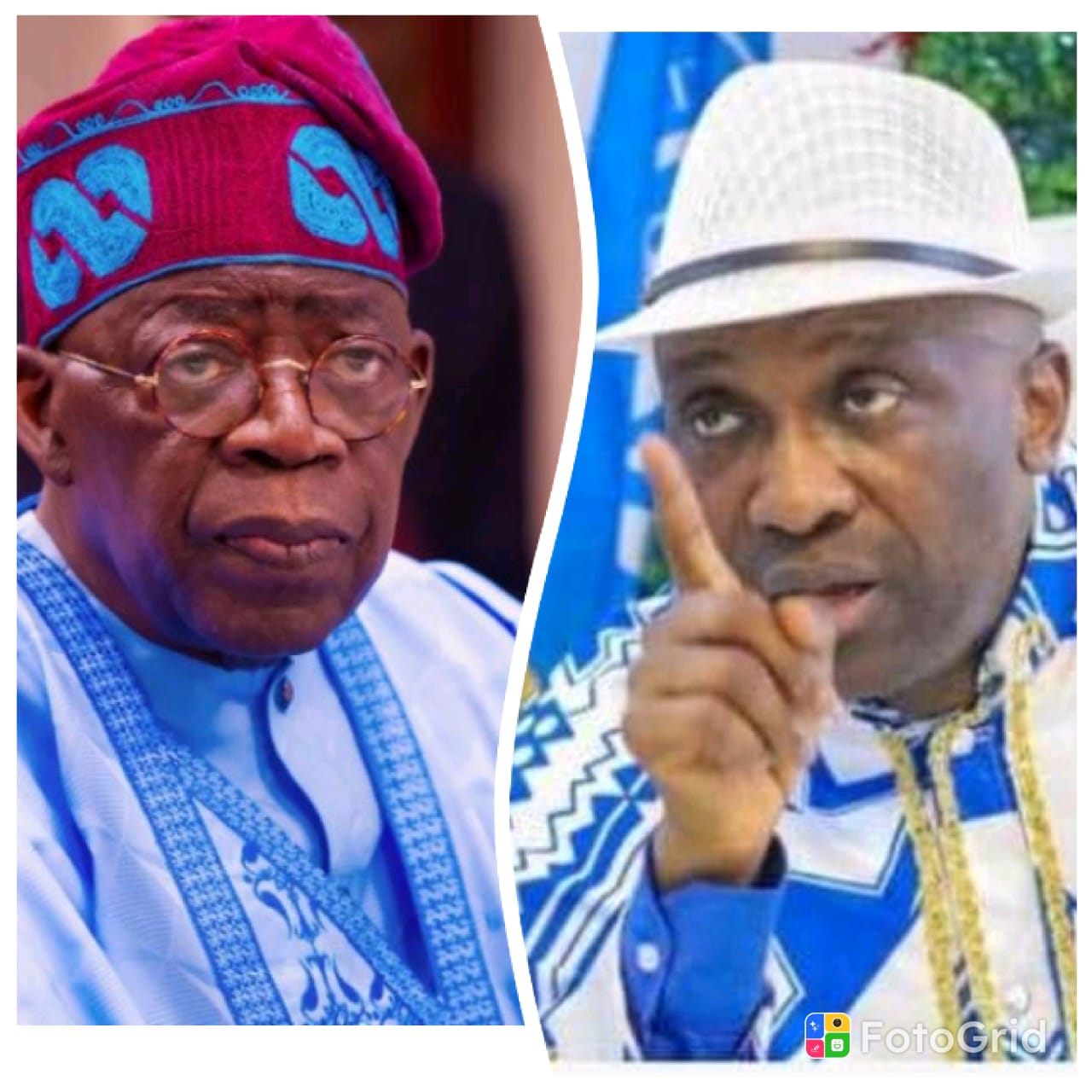

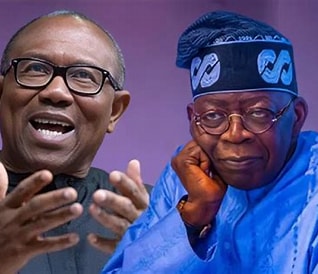
A fresh political confrontation has erupted following the reaction of former presidential candidate Peter Obi to the life imprisonment handed down to the leader of the Indigenous People of Biafra (IPOB), Nnamdi Kanu. The Presidency has sharply criticised Obi, describing his remarks as lacking courage and reflecting political convenience rather than genuine national concern.
Nnamdi Kanu was sentenced to life imprisonment on Thursday after the Federal High Court in Abuja, presided over by Justice James Omotosho, convicted him on all seven counts bordering on terrorism and related offences. His conviction has sparked national debate, particularly across the South-East.
Peter Obi, responding in a statement posted on his X handle on Saturday, described the judgment as another reflection of Nigeria’s failing governance structure. He argued that Kanu should never have been arrested, insisting that he had always advocated for dialogue, constructive engagement, and inclusive leadership as the only meaningful route toward resolving long-standing tensions in the South-East.
Obi said the arrest, detention and now imprisonment of the IPOB leader represent a breakdown of leadership and a misinterpretation of the deeper issues that give rise to agitation. He lamented that the verdict came at a time when Nigerians are facing severe economic hardship, rising insecurity, and widespread disillusionment with governance.
However, his remarks drew immediate backlash from the Presidency. Olusegun Dada, Special Adviser on Social Media to President Bola Tinubu, issued a strongly worded response on X, accusing Obi of politicising a national security matter and deliberately ignoring the violent fallout associated with IPOB’s activities.
Dada argued that Obi’s intervention was not guided by justice or patriotism but by political opportunism. He faulted the former governor for failing to openly condemn years of killings, beheadings, arson, kidnappings, and widespread terror attributed to IPOB and its armed wing, the Eastern Security Network (ESN). According to him, Obi’s silence during the peak of violence in the South-East undermined his claims of seeking peace.
He noted that during the period when communities were terrorised and lives were lost, Obi made no public statement acknowledging victims or criticising the perpetrators. Instead, Dada argued, Obi waited until Kanu’s conviction to make comments that position him as a defender of justice a move the Presidency believes is politically calculated.
“What makes your intervention even more troubling,” Dada wrote, “is that you have never condemned the violence unleashed on innocent people in the South-East. Entire communities were living in fear, economic life was crippled by sit-at-home orders, and lives were destroyed but you said nothing.”
Dada further argued that Obi’s refusal to mention even one victim of IPOB-related violence in his statement showed selective empathy. He said portraying Kanu as an aggrieved figure without acknowledging the human cost of his movement’s activities is misleading and insensitive.
The Presidency maintained that meaningful dialogue must be built on accountability, remorse, and justice qualities it said Obi’s statement failed to acknowledge. It criticised Obi for diverting attention by linking Nigeria’s economic hardship to Kanu’s conviction, describing it as an attempt to reshape the narrative in Kanu’s favour.
According to Dada, “Putting Nigeria first means standing with victims, not sanitising the actions of an agitator simply because it benefits a political narrative. Leadership demands truth, not selective silence.”
He concluded that Obi’s statement was neither unifying nor courageous, but instead reflected political convenience, arguing that Nigerians deserve leaders who speak honestly and consistently, not only when it serves their interests.
The development has intensified political discourse across the country, deepening debates on national security, justice, freedom of expression, and the responsibilities of political leaders in periods of crisis.