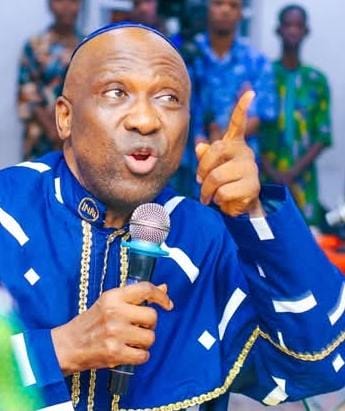
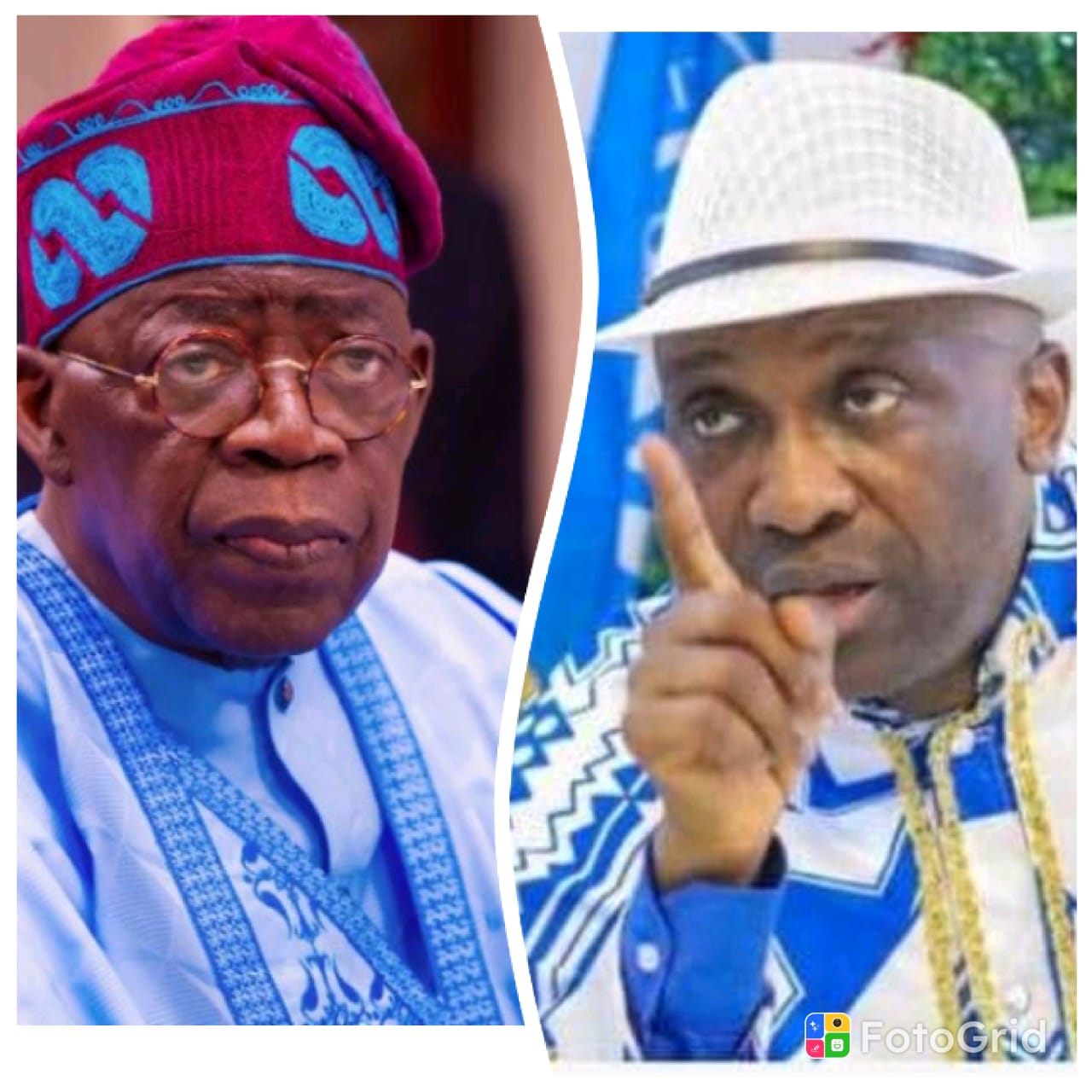
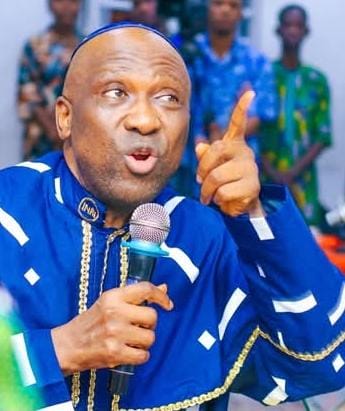
The Leader of INRI Evangelical Spiritual Church, Primate Elijah Babatunde Ayodele, has issued a strong prophetic caution to President Bola Ahmed Tinubu over the Federal Government’s ongoing tax reform agenda, warning that the policy could become counterproductive if not handled with wisdom, empathy, and careful economic planning.
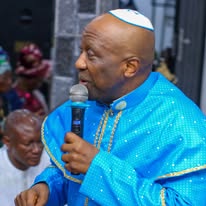
Speaking during a prayer programme at his church headquarters in Oke-Afa Lagos, Primate Ayodele expressed concern that while tax reforms are often designed to boost government revenue and improve fiscal discipline, the current approach being pursued by the Tinubu administration risks triggering widespread public discontent if it fails to adequately consider the harsh economic realities faced by Nigerians.
According to the cleric, the tax reform initiative, if not properly reviewed and moderated, could ultimately undermine the success of the administration. “This tax reform that President Tinubu is pursuing will disappoint him,” Primate Ayodele warned. “It may appear like a good idea on paper, but if it is not carefully handled, it can provoke serious backlash from the people and even become a reason for the failure of his government.”
He stressed that Nigerians are already grappling with severe economic pressure, the introducing of additional tax burdens, without effective cushioning measures or visible economic relief, could deepen public frustration and erode trust in government.
Primate Ayodele further warned that poorly implemented tax reforms could disproportionately affect small and medium-scale enterprises (SMEs), artisans, traders, and players in the informal sector, who already operate under thin margins. He cautioned that a blanket tax policy that does not distinguish between large corporations and struggling small businesses could crush the very backbone of Nigeria’s economy.
Primate Ayodele concluded by calling on the presidency to re-evaluate the tax reform agenda, engage more widely with stakeholders, and ensure that any new tax framework is fair, gradual, and aligned with the economic realities of the populace. He described his message as both a prophetic warning and a strategic appeal for caution.
The Tinubu administration’s tax reform drive is largely aimed at widening the tax net, increasing non-oil revenue, and reducing Nigeria’s dependence on borrowing. Key proposals reportedly focus on improving tax compliance, harmonising multiple taxes, expanding Value Added Tax (VAT) efficiency, and strengthening revenue collection at both federal and subnational levels.
Supporters of the reform argue that Nigeria’s tax-to-GDP ratio remains among the lowest globally and that improving tax administration is critical for funding infrastructure, healthcare, education, and social services. Proponents also insist that reforms are necessary to block leakages, modernise tax collection systems, and ensure that high-net-worth individuals and large corporations pay their fair share.
However, public reaction to the proposed reforms has been largely mixed, with growing scepticism among ordinary Nigerians. Many citizens argue that the timing is wrong, given the current economic hardship. Labour unions, civil society groups, and business associations have raised concerns that increasing taxes in an environment of rising inflation and stagnant wages could worsen poverty levels and stifle economic activity.
Small business owners, in particular, fear that stricter tax enforcement without corresponding support measures such as access to credit, stable power supply, and reduced operating costs could force many enterprises to shut down. Members of the informal sector have also expressed worries about being pulled into a tax system they believe offers little in return in terms of social protection or public services.
On social media and public forums, Nigerians have questioned government accountability, with many insisting that tax increases should only follow visible improvements in governance, transparency, and service delivery. There is a widespread sentiment that citizens should not be asked to pay more when corruption, waste, and inefficiency remain unresolved.
These reactions align with Primate Ayodele’s warning that public resistance could grow if reforms are perceived as punitive rather than progressive. Analysts have similarly advised that for the tax reform to succeed, the government must prioritise trust-building, phased implementation, and clear communication about how tax revenues will directly benefit citizens.
As the Tinubu administration continues to refine and implement its economic policies, Primate Ayodele’s prophecy stands as a cautionary message, urging leaders to balance fiscal ambition with compassion, wisdom, and inclusiveness. Whether the tax reform becomes a pillar of national development or a source of political and economic instability may ultimately depend on how well the government listens to both expert advice and the voices of the people.