

A major controversy has erupted in Nigeria over a proposed amendment to the Customs and Excise Tariff (Consolidation) Act that seeks to drastically increase the excise duty on Sugar-Sweetened Beverages (SSBs) from the current ₦10 per litre to as high as ₦130 per litre, representing a staggering 1,200% increase.
The bill, sponsored by Senator Ipalibo Harry Banigo, aims to shift the current volumetric tax system to a percentage-based regime tied to retail prices. Public health advocates, including the Federal Ministry of Health, have endorsed the measure as a strategic tool to combat non-communicable diseases such as diabetes and hypertension. They also argue that the policy could generate additional revenue for the health sector, supporting programs for disease prevention and treatment.
However, the proposed hike has met strong resistance from industry operators and fiscal experts, who warn of potentially severe economic consequences. Key Organised Private Sector (OPS) groups, including the Manufacturers Association of Nigeria (MAN) and the Nigerian Association of Chambers of Commerce, Industry, Mines, and Agriculture (NACCIMA), have cautioned that the steep excise increase could lead to deindustrialisation, factory closures, and widespread job losses. Estimates suggest that up to 1.5 million jobs along the beverage supply chain including manufacturers, distributors, and small-scale retailers could be at risk if the bill passes.
Critics have also highlighted “mathematical, legal, and administrative contradictions” in the draft amendment, warning that these inconsistencies could complicate enforcement, trigger prolonged legal disputes, and undermine investor confidence. Studies cited by stakeholders suggest that a ₦130 per litre excise could raise retail prices by as much as 39%, reduce per-capita consumption by 29%, and push consumers toward cheaper, unregulated alternatives, potentially fuelling informal markets.
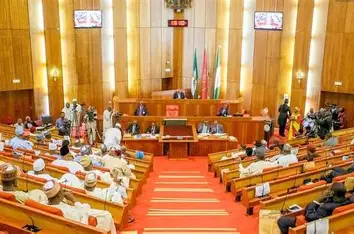
Beyond the economic implications, the proposed bill has exposed a policy clash between the Executive and the National Assembly over excise duty control. The Ministry of Finance argues that Section 13 of the existing law empowers the President to adjust excise duties in line with macroeconomic realities. Conversely, the National Assembly maintains its authority to amend the law and earmark excise revenues specifically for health-related programs.
Experts have also raised concerns about the potential impact on the Nigerian Sugar Master Plan (NSMP), which seeks to promote backward integration and boost local sugar production. A sharp increase in excise duty could reduce domestic demand for sugar-sweetened beverages, undermining the initiative and discouraging investment in local sugar value chains. Analysts warn that conflicting fiscal policies may deter investors and hinder broader reforms aimed at improving the ease of doing business in Nigeria.
Stakeholders are calling for harmonised, evidence-based excise policies that balance public health objectives with economic sustainability. Proposed solutions include:
- Conducting independent joint studies to assess the economic and health impacts of higher SSB taxes.
- Introducing a tiered tax structure based on sugar content to incentivize product reformulation.
- Ensuring transparent monitoring and utilisation of excise revenues earmarked for healthcare and disease prevention.
As debate intensifies, experts warn that without coordinated, data-driven policy decisions, Nigeria risks a fragmented excise regime that could harm consumers, disrupt industries, and undermine public health goals. The coming months will be critical as lawmakers, regulators, and industry stakeholders negotiate a balance between revenue generation, public health, and economic stability.