


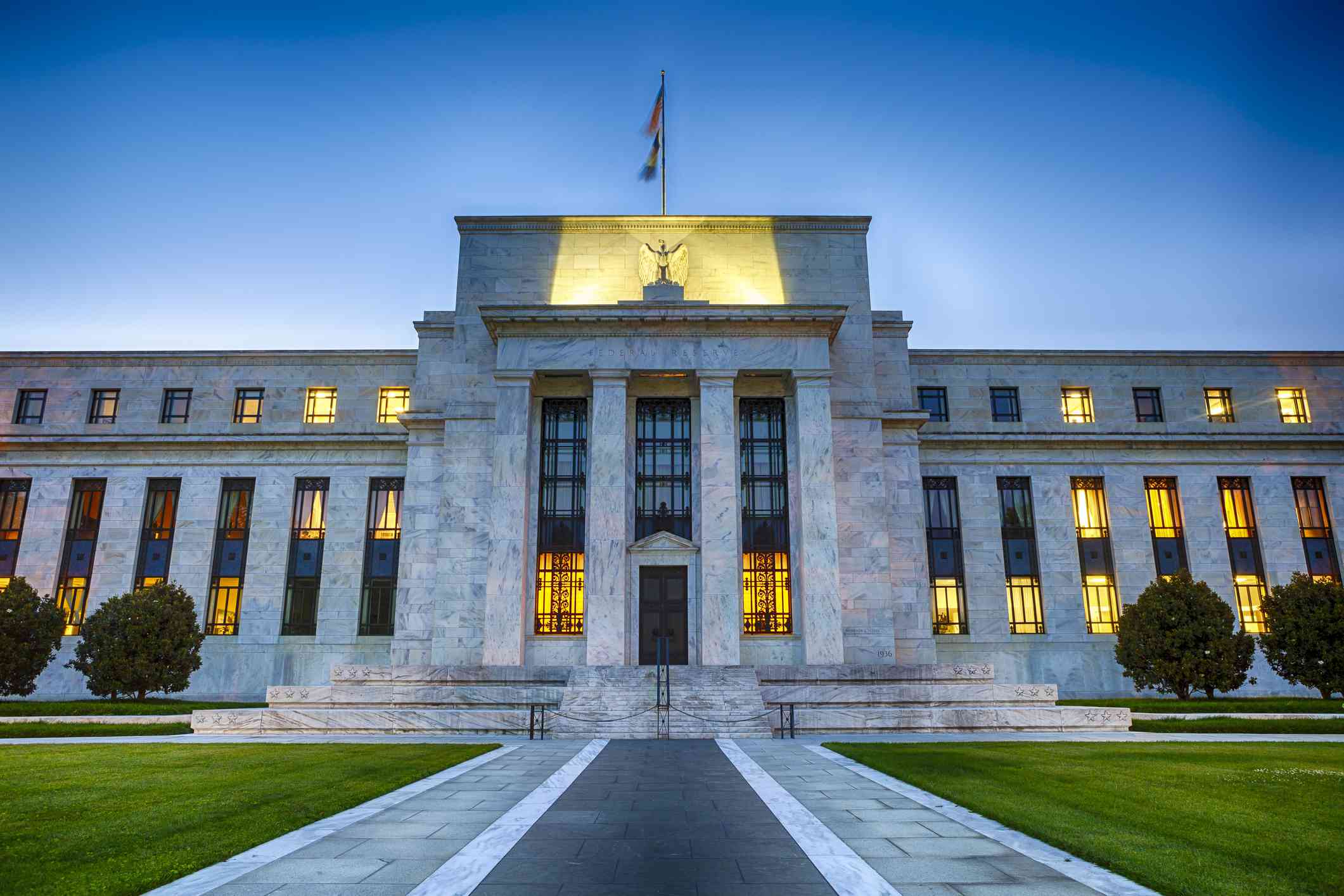
The U.S. Federal Reserve has once again cut its key interest rate the second time this year in a move aimed at stimulating economic growth and supporting job creation amid persistent inflation and a clouded economic outlook caused by the ongoing government shutdown.
The rate now stands at approximately 3.9%, down from 4.1%, marking a continued shift away from the aggressive tightening cycle of 2023–2024, when the Fed raised rates to around 5.3% to combat the worst inflation surge in forty years.
In a statement released Wednesday, the Federal Reserve acknowledged that job growth has slowed and unemployment has slightly increased, though it remains relatively low. However, the ongoing government shutdown has suspended the release of official economic data, including monthly figures on employment, inflation, and consumer spending — leaving the central bank to rely on private-sector indicators for policy decisions.
“Job gains have slowed this year, and the unemployment rate has edged up but remained low through August,” the Fed stated. “More recent indicators are consistent with these developments.”
The absence of government data has made it harder for the Fed to fully assess the economy’s condition, adding an unusual level of uncertainty to its policy direction. The bank hinted that it could lower rates again in December, though officials are treading carefully without the usual economic signposts.
The latest rate cut is expected to gradually ease borrowing costs for households and businesses — affecting everything from mortgage rates and auto loans to credit cards and business financing. Economists believe the move could offer temporary relief to borrowers while helping to stabilize hiring and consumer confidence during the shutdown.
However, the central bank faces a delicate balancing act. With inflation still above the Fed’s 2% target, cutting rates too aggressively could risk reigniting price pressures, while keeping rates too high might slow hiring and discourage investment.
Right now, the Fed is attempting to walk that fine line supporting growth without losing control of inflation. The coming weeks are expected to test how well the central bank can steer the U.S. economy through an uncertain period marked by political gridlock, data gaps, and global economic headwinds.
As policymakers weigh their next steps, analysts say much will depend on how quickly the government reopens and official economic reporting resumes, giving the Fed the clarity it needs to make informed decisions moving forward.