
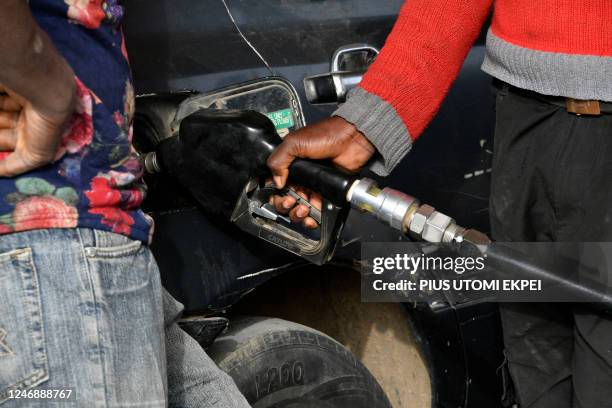
The price of Premium Motor Spirit (PMS), popularly known as petrol, may soon cross ₦1,000 per litre, following President Bola Tinubu’s approval of a 15% ad valorem import tariff on petrol and diesel imports into Nigeria, according to a detailed report by PUNCH.
The new policy, set to take effect after a 30-day transition period ending on November 21, 2025, is designed to protect local refineries and discourage the importation of cheaper foreign products. However, petroleum marketers have warned that the move could trigger a sharp rise in pump prices and worsen the economic hardship faced by ordinary Nigerians.
Depot operators who spoke with PUNCH under anonymity revealed that the tariff could immediately push fuel prices above the ₦1,000 mark. One operator lamented, “The price of fuel may go above ₦1,000 per litre. I don’t know why the government keeps adding more to people’s suffering.” Another added that many importers are now aligning with the Dangote Refinery, creating a uniform price hike across the board.
The National Vice President of the Independent Petroleum Marketers Association of Nigeria (IPMAN), Hammed Fashola, confirmed that while the tariff could promote local refining, it also risks creating a quasi-monopoly in favour of major refineries like Dangote’s. He cautioned that if local refineries fail to meet demand, Nigeria could face severe scarcity and price shocks.
“The 15% tariff on imported fuel has its pros and cons. It will encourage local refining but may hurt consumers if domestic capacity falls short. If local refineries fail, there’ll be scarcity because there won’t be an alternative,” Fashola told PUNCH.
He further urged the Nigerian National Petroleum Company Limited (NNPCL) to expedite the revamp of the Port Harcourt, Warri, and Kaduna refineries, noting that increased competition among local refineries would help curb the risk of price manipulation.
In a related development, Billy Gillis-Harry, President of the Petroleum Products Retail Outlet Owners Association of Nigeria (PETROAN), described the tariff as a “test policy”, insisting that its success would depend on availability and affordability of products. “Everyone is working with Dangote right now, but he cannot meet Nigeria’s full demand. There has to be a balance,” he said.
According to PUNCH, President Tinubu’s approval followed a proposal from FIRS Chairman, Zacch Adedeji, who argued that the tariff aligns import costs with domestic production realities and supports the administration’s Renewed Hope Agenda for energy security.
Documents obtained by the paper showed that the 15% tariff could add about ₦99.72 per litre to the current landing cost of petrol, raising import costs by approximately ₦1.92 billion daily. Despite the hike, the government insists Nigerian pump prices will remain lower than regional averages with Lagos projected at ₦964.72 per litre ($0.62) compared to Senegal ($1.76), Côte d’Ivoire ($1.52), and Ghana ($1.37).
The Nigerian Midstream and Downstream Petroleum Regulatory Authority (NMDPRA) confirmed that it would implement the directive once the official notification is received. “As soon as the policy comes into force, we will play our regulatory role. The downstream sector is fully deregulated, so market forces will determine the final pump price,” NMDPRA spokesperson George Ene-Ita told PUNCH.
However, energy analysts warned that while the policy could protect domestic refiners and boost government revenue, it might also trigger short-term price volatility and energy insecurity. Oil expert Olatide Jeremiah noted that the policy would “inevitably add about ₦100 per litre” to the cost of petrol and diesel, creating “unfair competition among suppliers.”
Meanwhile, APC chieftain and oil magnate Chief Ayiri Emami criticized the decision, warning that it would worsen the suffering of Nigerians. “This policy won’t hurt marketers it will hurt ordinary Nigerians. Whatever tax is added to petroleum will come back to the people,” Emami told journalists in Abuja. He urged Tinubu to suspend the tariff until economic conditions improve.
Despite growing criticism, PUNCH reports that government officials insist the tariff is not revenue-driven, but rather a corrective measure to support Nigeria’s nascent refining sector and reduce the burden of fuel imports, which still account for nearly 70% of domestic demand.
With the new policy expected to take full effect by late November, all eyes are on whether the move will indeed strengthen local refining or deepen economic pain for millions of Nigerians already grappling with record inflation and high living costs.