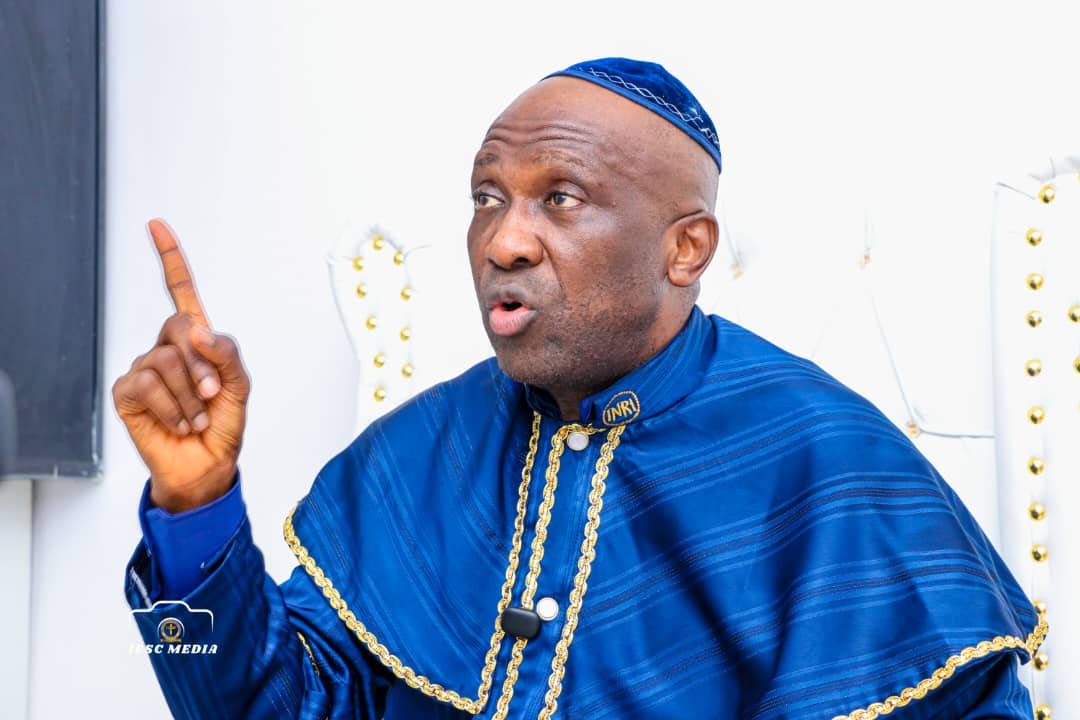
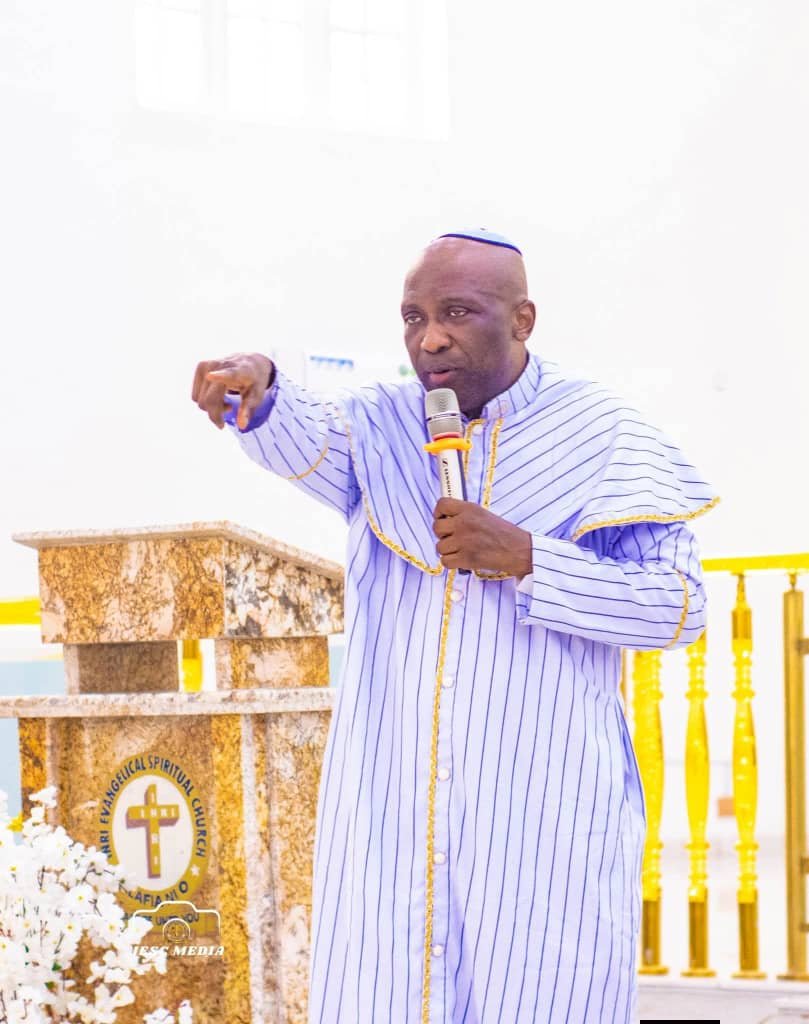

Nigeria may be approaching a far more dangerous phase of cultism and youth-driven violence, according to a new prophetic warning issued by the Leader of INRI Evangelical Spiritual Church, Primate Elijah Ayodele. In a detailed revelation, the cleric cautioned that cultism already a major security challenge will evolve into a more sophisticated, violent, and nationally disruptive phenomenon by 2026, unless urgent steps are taken by the government, security agencies, and society at large.
Primate Ayodele stated that the year 2026 would mark a significant escalation in the structure, operations, and brutality of cult groups, noting that many powerful Nigerians in political, business, and social circles have been secretly sponsoring these groups for personal gain. According to him, these hidden sponsors are fueling a crisis that threatens to destabilize communities, undermine institutions, and endanger national security.
“Cultism will take another dimension next year. It will become more organised, more violent, and more widespread. Big people in cult groups must be warned they are the ones sponsoring it. God will expose them,” the cleric declared during his prophetic address. He emphasized that unless these individuals repent and disengage from their involvement, they will face public disgrace and divine judgment.
Primate Ayodele’s prophecy resonates strongly with Nigeria’s present reality. In the past two years, cult-related violence has surged in alarming proportions across several states including Lagos, Rivers, Ogun, Delta, Edo, Anambra, Imo, Cross River, and parts of the North. What was once largely associated with tertiary institutions has now spread into secondary schools, communities, marketplaces, transportation hubs, and even political gatherings.
Incidents of street assassinations, beheadings, open confrontations, and revenge killings have become disturbingly frequent. Many communities report nightly gunshots between rival groups, while others have witnessed broad-daylight attacks carried out with military-grade weapons. The sophistication and boldness of these operations suggest a level of funding and protection beyond what ordinary youths can muster.
Security analysts and law-enforcement agencies have repeatedly linked certain cult factions to drug trafficking rings, illegal arms networks, cybercrime groups, and political thugs hired during elections. In some states, cult groups are beginning to operate like criminal franchises collecting levies, enforcing “territorial rights,” and intimidating residents. This development reinforces Ayodele’s warning that cultism is evolving into a more structured and dangerous system.
Primate Ayodele’s revelation about elite sponsorship reflects a growing body of reports indicating that some politically connected individuals use cult groups as instruments for intimidation, territorial influence, and electoral manipulation. Such individuals often provide financial backing, weapons, legal cover, and protection from law enforcement in exchange for violent services.
The cleric warned that by 2026, cult groups may infiltrate institutions previously considered secure, such as political parties, government agencies, and security establishments. This infiltration, he cautioned, could significantly weaken institutional integrity and create overlapping layers of criminal authority that undermine lawful governance.
“This is a spiritual cancer eating deep into society. The rich and powerful who are involved in cultism must repent. If they don’t, disgrace and divine judgment await them,” he said, urging the nation to take the issue seriously rather than continue treating it as a fringe problem.
Primate Ayodele called on the government to address cultism as both a spiritual and national security emergency. He urged a multi-layered approach involving stronger legislation, campus surveillance, improved youth engagement, community-based policing, and inter-agency collaboration. Beyond law-and-order measures, he also advocated for national intercessory prayers, emphasizing that cultism carries deep spiritual undertones that must be confronted collectively.
He appealed to religious leaders, parents, educators, and community stakeholders to intensify monitoring efforts, especially in schools where recruitment is most active. Secondary school students, university undergraduates, and unemployed youths remain the most targeted by cult networks seeking fresh members.
The cleric insisted that Nigeria must not underestimate the scale of the threat. Without decisive action, the country could witness an unprecedented escalation of cult-related violence in 2026, leading to increased insecurity, loss of life, and erosion of public trust in state institutions.
Primate Ayodele’s prophecy, though spiritual in nature, aligns closely with current patterns of criminal evolution in Nigeria. Cultism is no longer a marginal issue; it has become a national challenge with the potential to destabilize communities and compromise internal security if left unchecked.
As 2026 approaches, the cleric’s warning serves as a critical reminder: Nigeria is standing at a crossroads. The pathway chosen whether proactive intervention or continued complacency will determine the scale of the crisis the country will face in the coming year.
His message calls for both introspection and action, urging the nation to confront the unseen forces behind Nigeria’s cultism epidemic and to take concrete steps toward safeguarding the future of its youth, communities, and institutions.