
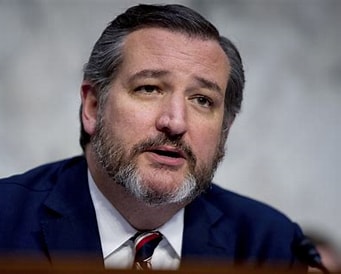
The debate surrounding the alleged widespread killing of Christians in Nigeria has escalated on the global stage, with United States Senator Ted Cruz outlining what he describes as the next decisive step in addressing the crisis. His remarks come amid renewed international attention after former U.S. President Donald Trump recently designated Nigeria as a Country of Particular Concern (CPC), citing ongoing targeted attacks and mass killings of Christians.
Trump’s declaration reignited global condemnation, with the former president warning that the United States military could intervene to neutralize extremist groups believed to be responsible for the violence.
Speaking during an interview with Fox News on Monday, Senator Ted Cruz emphasized that the U.S. government must now move beyond declarations and adopt specific punitive measures aimed at individuals within the Nigerian government. He explained that these actions should focus on officials allegedly aiding or enabling extremist violence against Christian communities.
According to him,
“The next step is putting targeted sanctions on particular government officials, government officials who are complicit in what is happening.”
Cruz further highlighted concerns about legal structures within Nigeria, pointing out that 12 states currently operate under Sharia and blasphemy laws, which he claims are being used to oppress Christian citizens. He argued that such laws serve as tools of religious persecution and enable both direct and indirect attacks on Christian minorities.
He emphasized that while extremist groups like Boko Haram continue to terrorize Christian communities, the Nigerian government has been accused of inaction.
The lawmaker said the authorities appear to be “walking the other way while Boko Haram murder and commit horrible atrocities on these Christians.”
The comments by Senator Cruz add to the growing pressure from international human rights groups and foreign governments calling for stronger accountability and intervention to curb religious violence in Nigeria. It remains to be seen how the Nigerian government will respond to these escalating concerns and whether the U.S. will proceed with sanctions as proposed.